

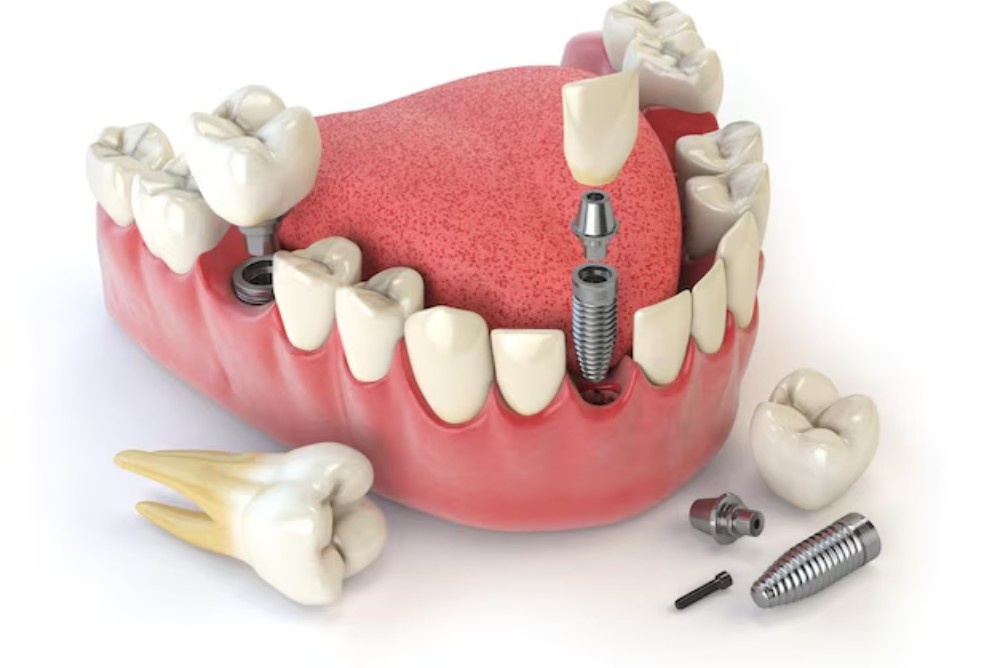
How long does it take for gums to heal after a dental implant? Getting a dental implant is an excellent way to replace a missing tooth and regain your smile. The gums need to heal as they protect the implant. At the same time, the jawbone can bond with the implant. Following post-operative instructions is necessary for an optimum healing process and maximum benefits.
Healing times vary for each patient, but most go through similar stages after implant placement. Talking with a dentist in Pitt Meadows beforehand can help you understand your recovery and prevent complications, while proper care and monitoring support healthy gums and a successful implant.
Why Gum Healing Is Important for Dental Implants
The gums form a protective barrier around the dental implant near you. Having healthy gums will prevent infection, support the implant, and maintain a natural-looking smile. A failure for gums to heal properly can cause exposure or infection of the implant, in turn affecting stability. Correct healing also makes it comfortable to eat, speak, and perform other functions.
Dental implants involve both soft tissue healing (the gums) and hard tissue healing (the jawbone). While the jawbone integrates with the implant over several months, the gums play a key role in protecting the site and promoting overall oral health during the early weeks of recovery.
Stages of Gum Healing Around a Dental Implant
Healing involves several phases. Every stage has its own distinct characteristics and requires different kinds of care.
Immediate Post-Surgery (First 24–48 Hours):
- It is common to experience mild swelling and bleeding.
- Use some ice packs and take pain relief.
- Don’t brush the implant site, but rinse gently with saline or a mouth rinse approved by your dentist.
Initial Soft Tissue Healing (First 1–2 Weeks):
- Swelling and tenderness usually peak within the first 2–3 days.
- The gums begin forming a protective seal around the implant.
- Soft foods are recommended, and you should avoid chewing directly on the implant.
Early Tissue Integration (2–6 Weeks):
- Gums keep adjusting towards increasing stability around the implant.
- Usually, the discomfort goes away, but some may have lingering sensitivity.
- Follow-up visits help ensure proper healing and detect early signs of infection.
Osseointegration (3–6 Months):
- The implant is secured in the jawbone to act as a solid foundation.
- Support your implant when the gums fully support it. Then resume your regular oral hygiene routine.
- The implant is now ready for a permanent crown, bridge, or denture.
Factors That Influence Gum Healing
Healing durations can vary from person to person. Key considerations to remember are as follows.
- Overall health: Conditions such as diabetes or weak immunity may slow down healing.
- Oral hygiene: Cleaning your teeth by brushing and flossing helps to clean your gums and helps them heal.
- Lifestyle habits: Smoking or drinking a lot of alcohol can slow down healing.
- Surgery complexity: Implants for several teeth or in areas with weak bone may take longer to heal.
- Age: Older patients may heal a little slower, but age usually isn’t a big problem.
Knowing these factors with your dentist near you helps plan the right care and a realistic healing timeline.
Tips to Speed Up Gum Healing
To promote faster, safer healing, consider these practical steps:
- Follow Dentist Instructions: Use any prescribed medications or mouth rinses as directed by your dentist.
- Soft Diet: For the initial few weeks, you will have to consume soft foods and avoid biting on the implant.
- Gentle Oral Hygiene: Brush with a soft-bristled toothbrush and rinse carefully to avoid disturbing the implant.
- Avoid Smoking & Alcohol: Both can hinder gum tissue repair and slow osseointegration.
- Attend Follow-Ups: Regular checkups allow your dentist to monitor healing and catch complications early.
Signs That Healing Is Progressing Normally
Knowing what is normal makes you feel safe about recovery. Common signs consist of.
- Within the first week, swelling and mild pain subside.
- After the first few days, little to no bleeding or redness at the implant site.
- Gums eventually become firm and secure around the implant.
- Comfort improves while eating and speaking.
Persistent pain, swelling, or signs of infection should be addressed immediately by your dental clinic.
Take the Next Step Toward a Strong, Healthy Smile!
What can you do to promote the healing of gums after dental implants? Healing takes time, care, and regular checkups. Once you follow the instructions and maintain good oral hygiene, the healing of your gums will be smooth. Further, your gums will support a strong and natural-looking implant with a long-lasting lifespan. Marigold Dental consultation will help you with expert opinion and tailored advice.
Find our dental clinic quickly on Google Maps and get directions in just one click. 📍
FAQs
How long do gums take to heal after a dental implant?
Gums usually heal in 2–6 weeks, but it can take 3–6 months for the implant to join with the jawbone fully. Healing time can be different for each person.
Can I make my implant heal faster?
Yes. You can help heal by keeping your mouth clean, eating soft foods, not smoking, and following your dentist’s instructions.
Is swelling normal after dental implant placement?
Yes. Mild swelling is common during the first few days. Swelling should gradually decrease within a week.
What signs indicate a problem with healing?
Persistent bleeding, severe pain, pus, or increased redness may indicate infection or complications and should be checked by your dentist immediately.