

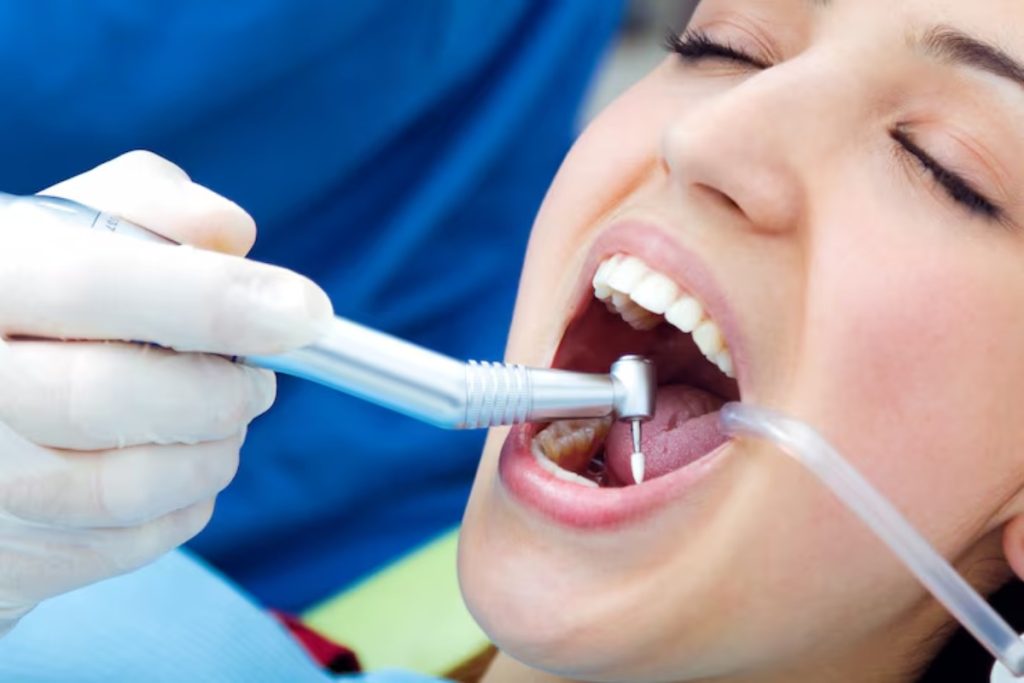
Feeling discomfort after a dental cleaning can worry some patients, especially when eating or drinking something hot or cold. If you are searching for what to do about sensitive teeth after cleaning, it is important to know that mild sensitivity after a cleaning is often temporary and usually improves within a few days.
During a professional cleaning, plaque and tartar are removed from the teeth and gumline. After the buildup is cleaned away, some parts of the teeth may feel more exposed, which can lead to temporary sensitivity. Regular visits to a professional dental care can help keep your teeth and gums healthy while also reducing the risk of severe dental problems.
Why Do Teeth Feel Sensitive After a Cleaning?
Teeth may feel sensitive after a cleaning for different reasons. Some people already have mild sensitivity, but it becomes more noticeable after plaque and tartar are removed.
Common causes include:
- Cleaning around sensitive areas of the teeth
- Mild irritation in the gums
- Exposed tooth roots from receding gums
- Worn tooth enamel
- Small cavities or cracked teeth
In most cases, the sensitivity gets better as your teeth and gums heal.
How Long Does Tooth Sensitivity Last?
For many people, sensitivity lasts only a few days. In some cases, mild discomfort may continue for up to one or two weeks, depending on the condition of the teeth and gums.
You may notice sensitivity while:
- Drinking cold water
- Eating ice cream
- Brushing your teeth
- Drinking hot coffee or tea
If the pain becomes severe or continues for a long time, you should contact your dentist for an evaluation.
What Can You Do at Home to Reduce Sensitivity?
There are several simple ways to help your teeth feel more comfortable after a cleaning.
Use Toothpaste for Sensitive Teeth
Special toothpaste designed for sensitivity may help block discomfort caused by hot or cold temperatures. Regular use may improve symptoms over time.
Avoid Very Hot or Cold Foods
Extremely hot or cold foods can increase discomfort for sensitive teeth. Choosing foods with moderate temperatures may help during recovery.
Brush Gently
Using a soft-bristled toothbrush and a gentle brushing technique can reduce irritation to the teeth and gums.
Avoid Acidic Foods and Drinks
Foods and drinks with high acid levels may increase tooth sensitivity.
Examples include:
- Soda
- Citrus fruits
- Sports drinks
- Vinegar-based foods
Rinse with Warm Salt Water
A warm saltwater rinse may help soothe irritated gums after cleaning.
Are There Home Remedies for Sensitive Teeth After Cleaning?
Some home remedies may help reduce mild discomfort while your teeth recover.
You may try:
- Warm saltwater rinses
- Drinking lukewarm water instead of cold drinks
- Using a soft toothbrush
- Avoiding sugary snacks
- Limiting acidic foods temporarily
Home care may help improve comfort, but a dental professional should still check for ongoing pain.
When Should You Visit a Dentist?
Mild sensitivity after cleaning is usually normal, but some symptoms may need professional attention.
You should contact a dentist if you notice:
- Sharp or severe tooth pain
- Swelling in the gums
- Sensitivity lasting longer than two weeks
- Pain while biting
- Bleeding that does not improve
Sometimes sensitivity may be linked to cavities, worn enamel, gum recession, or other dental conditions that need treatment.
Can Sensitive Teeth Be Prevented After Future Cleanings?
Good oral care habits may help reduce sensitivity after future dental visits.
Helpful habits include:
- Brushing twice daily with fluoride toothpaste
- Flossing every day
- Visiting your dentist regularly
- Avoiding aggressive brushing
- Using toothpaste made for sensitive teeth
Keeping plaque and tartar under control may also reduce the amount of deep cleaning needed during appointments.
Why Professional Dental Cleanings Still Matter
Even if your teeth feel sensitive for a short time, getting a regular dental cleaning can help keep your teeth and gums healthy. Professional cleanings remove plaque, tartar, and bacteria that are hard to remove with normal brushing at home.
Routine dental care may help lower the risk of:
- Gum disease
- Tooth decay
- Bad breath
- Tooth loss
- Gum inflammation
Professional cleanings also allow your dentist to identify dental problems early before they become more serious.
Get Help for Tooth Sensitivity After a Cleaning
Tooth sensitivity after a cleaning can feel uncomfortable, but it often improves with proper care and time. If your tooth sensitivity persists after a cleaning, visit a trusted dental clinic for a thorough evaluation and personalized treatment. At Marigold Dental Clinic, you can receive guidance for managing sensitivity and maintaining healthy teeth and gums. Regular dental visits may help protect your smile and support long-term oral health.
FAQs
Is tooth sensitivity normal after a cleaning?
Yes, mild sensitivity after a dental cleaning is common and usually goes away after a short time.
How long does sensitivity after cleaning last?
Sensitivity often improves within a few days, but sometimes it can last up to two weeks.
Can toothpaste help sensitive teeth after cleaning?
Yes, toothpaste made for sensitive teeth may help reduce discomfort.
Should you avoid brushing sensitive teeth?
No, you should continue brushing gently with a soft toothbrush to keep your teeth clean.