

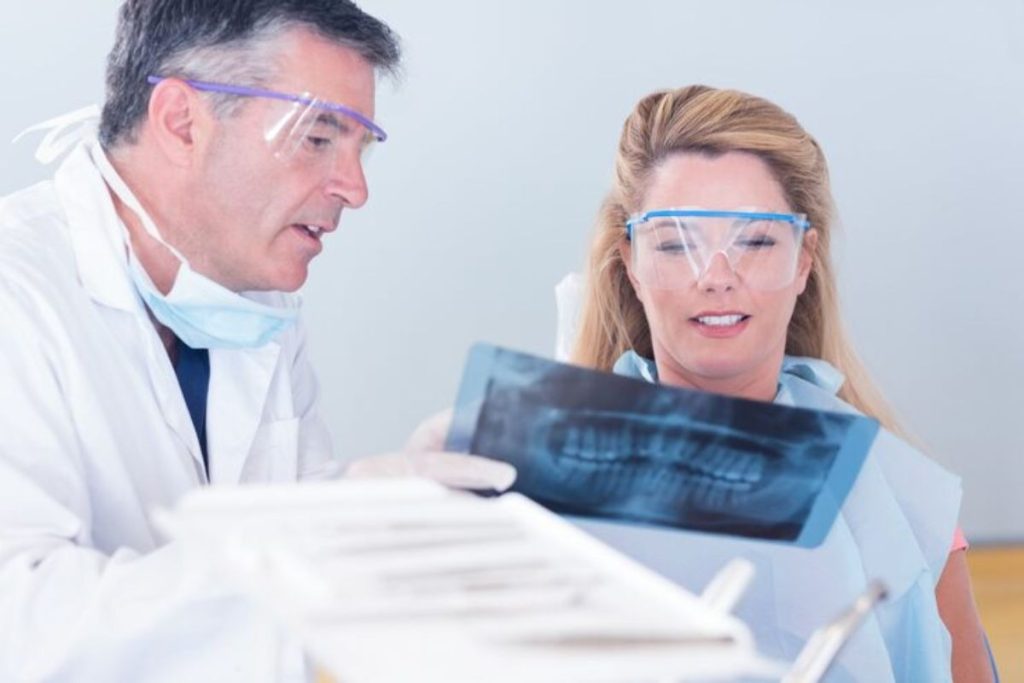
Many patients wonder whether early cavity detection by X-ray is possible during a routine checkup. When you visit a dental clinic, the goal is always to find problems before they cause pain. While your dentist looks at your teeth with a small mirror, they cannot see what is happening between the teeth or under the enamel. This is where technology becomes a vital part of your oral health care.
How Dentists Detect Cavities Early
Dentists use a combination of tools to keep your smile healthy. First, they perform a visual exam to look for soft spots or discoloration. However, early decay often starts in tiny gaps that the human eye cannot reach. To catch these issues, your dentist uses digital imaging. By looking at the density of your tooth structure, they can spot the very beginning of a cavity.
Early detection is the best way to avoid fillings or root canals. When a cavity is found in its infant stage, it is possible to reverse it using fluoride treatments or better hygiene habits. This proactive approach saves you time, money, and discomfort in the long run.
The Role of Dental X-rays in Pitt Meadows
Modern dental imaging is much more advanced than it used to be. Using dental X-rays, professionals can see through the hard outer layer of your teeth. On an X-ray, healthy enamel looks bright white because it is very dense. A cavity appears as a dark spot or shadow because the decay has begun to “soften” the tooth.
Why Some Early Cavities are Hard to See
Even with the best technology, not every tiny bit of decay shows up immediately. If a cavity has only removed a very small amount of mineral from the tooth, the shadow might be too light to notice. This is why regular visits to a patient-focused dentistry are so important. By comparing last year’s images with your new images, your dental team can see if a small shadow is growing over time.
Comparing Detection Methods
| Method | Best For | Limitations |
| Visual Exam | Surface decay and gum health | Cannot see between teeth |
| Bitewing X-rays | Cavities between back teeth | Hard to see very tiny mineral loss |
| Laser Fluorescence | Finding decay on biting surfaces | Does not work well for existing fillings |
| Intraoral Camera | Cracked teeth or hidden plaque | Cannot see inside the tooth structure |
Protecting Your Smile Between Visits
To prevent the need for frequent imaging, focus on your daily routine. Brushing twice a day with fluoride toothpaste and flossing every night is your best defence. Explore our office, ensure it prioritizes preventive care. Finding decay early means simpler treatments and a healthier mouth for years to come.
Your Path to Better Oral Health
Keeping your teeth healthy requires a partnership between you and your dental team. When you stay consistent with your checkups, you give technology the best chance to work in your favour. Catching a small shadow today prevents a big problem tomorrow. Our team is dedicated to providing gentle and thorough care for every member of your family.
At Marigold Dental Clinic, we use the latest tools to monitor your smile and keep you feeling your best. If it has been a while since your last checkup, we are here to help. Reach out to our friendly staff today to book an appointment and ensure your oral health is on the right track.
Frequently Asked Questions:
Can X-rays find cavities that do not hurt yet?
Yes, X-rays often detect decay long before you feel pain, allowing for much smaller, easier treatments.
Are digital dental X-rays safe for children?
Digital imaging uses very low levels of radiation and is considered very safe for children during their regular dental exams.
How often should I get dental X-rays?
Most healthy adults need them every 12 to 24 months, but your dentist will determine the frequency based on your specific needs.
Do all dark spots on X-rays mean I need a filling?
Not always, as some tiny shadows can be watched or treated with fluoride to see if the tooth can heal.
What happens if a cavity is found early?
Your dentist might suggest a small filling or a special cleaning routine to stop the decay from getting any worse.